Noisy water pipes
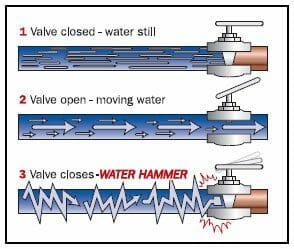
<div class="flex-1 overflow-hidden"> <div class="react-scroll-to-bottom--css-nyuth-79elbk h-full"> <div class="react-scroll-to-bottom--css-nyuth-1n7m0yu"> <div class="flex flex-col text-sm pb-9"> <div class="w-full text-token-text-primary" data-testid="conversation-turn-15"> <div class="px-4 py-2 justify-center text-base md:gap-6 m-auto"> <div class="flex flex-1 text-base mx-auto gap-3 md:px-5 lg:px-1 xl:px-5 md:max-w-3xl lg:max-w-[40rem] xl:max-w-[48rem] group final-completion"> <div class="relative flex w-full flex-col agent-turn"> <div class="flex-col gap-1 md:gap-3"> <div class="flex flex-grow flex-col max-w-full"> <div class="min-h-[20px] text-message flex flex-col items-start gap-3 whitespace-pre-wrap break-words [.text-message+&]:mt-5 overflow-x-auto" data-message-author-role="assistant" data-message-id="a1ac8c1b-c2b4-4902-aa28-568659103137"> <div class="markdown prose w-full break-words dark:prose-invert dark"> Noisy water pipes in homes, often manifesting as banging, whistling, or rattling sounds, can indicate various plumbing issues. Such noises may arise from high water pressure, loose pipe mountings, or the presence of air pockets within the plumbing system. For example, a banging sound, commonly known as water hammer, occurs when water abruptly changes direction or is stopped, causing a shockwave through the pipes. Whistling sounds usually point to partially closed valves or fittings that restrict water flow, while rattling may suggest that pipes are not securely fastened to the structure. Addressing these noises often involves adjusting water pressure, securing pipes, or installing air chambers to prevent water hammer, helping to ensure a quieter and more stable plumbing system. </div> </div> </div> </div> </div> </div> </div> </div> </div> </div> </div> </div>